By Rachel Puryear
No matter who we are, we all need to eat. And even beyond the obvious physical need for nourishment, food is one of humanity’s great pleasures in life, as well as an incredible (an often under appreciated) means of social bonding and connection.
No doubt about it, the way people eat has changed significantly in recent decades, and that’s had plenty of important implications for human beings, and the world we live in.
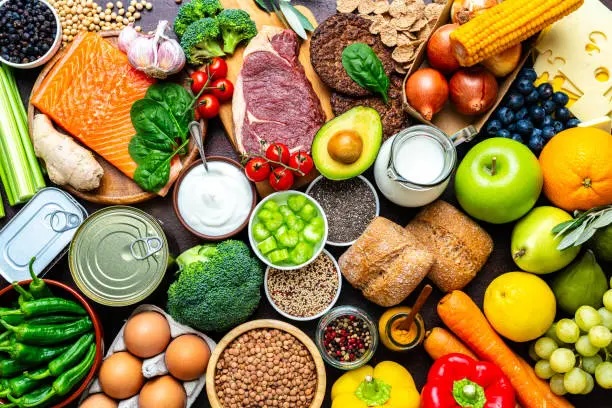
As an introvert, and/or a highly sensitive person (HSP), food and dietary choices and environments may affect you differently than others. Your nervous system is wired differently than those of extraverts and non-HSP’s, after all, and that can have a lot of wide ranging implications in life.
Furthermore, conventional advice over the past several decades about how and what to eat has been subject to tremendous controversy; and mired in deep confusion, conflict, and even falsehoods – often, misinformation is fueled more by corporate interests than a sincere interest in public health and nutritional well-being.
Therefore, perhaps something to try for yourself is a simple, yet still radical solution – experiment, follow your own intuition, see what makes your own body and mind feel good, and do that. See what works for you over a period of time, though, as what feels good in the short term doesn’t always work so well in the longer term.
Introverts and HSP’s tend to have a powerful intuition, and when we allow ourselves to be guided by that, it can take us very far in life. Your body carries within it the ancient wisdom of many thousands of years of evolution, and it knows much more than most people think. Listening to it will serve you quite well.
No Judgments, No Demands – Just Empowerment Through Knowledge
Food and eating is a tremendously emotional and personal matter for people, no matter who you are or where you’re from. Nothing in this post is intended to insist that you follow any particular way of eating, or to judge anyone for anything related to food.
Some of my personal anecdotes are also shared, which may or may not also work for you – these are shared only to show that the “conventional advice” is not necessarily the right way for everyone, and that there are more options than you might think.
But ultimately, only you can decide what is right for yourself, and for your own body.
Why Is Food Such a Personal, Emotional Subject?
Food matters run so emotionally deep for human beings universally; because it has important ties and associations with our cultures and identities, our upbringings and family lives and early formative memories, our health and appearance, our social classes and statuses in society, our spirituality and values, our economies and ecosystems, our social and love lives, our opportunities in life, and so much more.
Food and shared meals are also one of the most social and communal things we do for survival. Personal hygiene and physical self-care tends to be done alone, or maybe with a helper in private, for instance. Sex is typically in private with intimate partners. Sleeping is done either alone, with partners, or close loved ones.
But eating meals, and spiritual/religious activities, are both done with families and communities. Therefore, when people casually (and often, judgmentally) refer to food in such reductive terms as solely “personal choices,” they are seriously underestimating – and undervaluing – the strong social and communal aspects of food. That’s not to say you cannot make choices for yourself, but the fact is, there are also strong social and cultural influences that tend to be overlooked in debates around food habits.

Furthermore, many people in the world have been subjected to various kinds of deprivations and mistreatments that centered around food. Poverty and food insecurity, abuse and neglect that involved withholding food (including forced or pressured diets) and/or force-feeding and pressured eating (which can also be part of a forced diet), eating disorders, and more are common food-related traumas that many experience and carry. This post will not dive deep into any of these as each is worthy of far more than could possibly be covered here, but I wanted to at least acknowledge these.
My intent is only to let you know that if you’re feeling frequently gaslit by society around food, that your instincts are probably correct. However, the solution for that is sharing knowledge, and encouraging you to decide for yourself. Why the gaslighting? Because there’s lots of money being made in that – see the next sections for more.
Listening to my own body and following its quiet yet powerful intuition has led me to a much healthier place in a matter of months, than years and years of frustration around following the conventional advice ever did. And that’s the only thing I’ll encourage you to do here, is to follow your body’s intuition, also. Everything else is only to create context, not to ever tell you what to do. Your body’s own wisdom knows far more than any loudmouth ever could.
Your Health Versus Corporate Profits
Did you know that many of the things you’ve been told about food and nutrition have been based more in what corporate interests want you to do, than what’s actually supported by sound nutritional science, and good for public health? Actually, you likely do, but you might not know all the details of such.
Not only that, but even many scientific studies challenging conventional beliefs about nutrition have simply been ignored – even among experts, dogma can run really deep. Studies are also published quite selectively, so what the public sees doesn’t show the whole picture.
Here are a few very important examples, as dietary expert Dr. Jason Fung has so courageously shed light on in recent years, along with a few other rare truth tellers about such:
Dietary Fat: Falsely Accused
As an X-ennial myself, I grew up being told that dietary fat was pure evil, and that it would clog your arteries and cause a heart attack. As it turns out, this isn’t true – and in fact, diets high in healthy natural fat can greatly support good health.
These natural fats found in many delicious foods such as olives, avocados, nuts and seeds, coconuts, fatty fish like salmon and sardines, fatty cuts of meat like ribeye and bacon (especially without nitrates), dark poultry meat (especially with skin and bone-in), egg yolks, full-fat dairy, butter, and dark chocolate; are nutritious, delicious, and support good health.
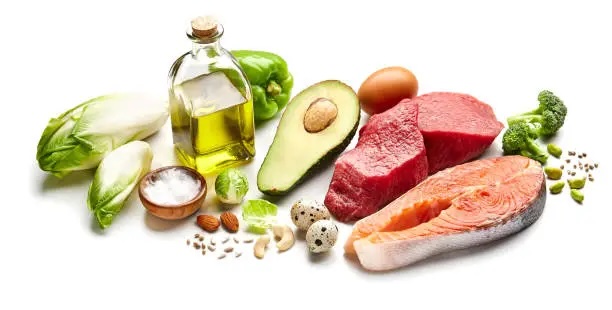
(The main fats not recommended are the ultra-processed seed oils – like corn oil and other vegetable oils, and canola oil. These cause lots of inflammation. Olive oil, coconut oil, and avocado oil, on the other hand; are much less processed oils to use instead if you want to use cooking oils; butter is also good, as well as animal fats like tallow, and in my opinion, the latter less processed ones taste much better anyway).
Fat is also highly satiating, so you’re satisfied for a while after eating these high-fat foods, instead of hungry again shortly after eating. Dietary fat also doesn’t raise your body’s insulin levels nearly as much as carbohydrates or even protein does, which is one reason why ketogenic diets (those high in fat, moderate in protein, and low in non-fiber carbohydrates) can help people prevent and manage diabetes.
So why did dietary fat get such a bad rap? Well, for one thing, in the years following World War II, middle aged men were increasingly having heart attacks – with many of them sadly dying prematurely as a result. Medical science needed answers, and people needed someone to blame – so dietary fat was blamed, even though a causal effect was never proven (because it doesn’t exist).
However, the real villain (by and large) behind this rise in heart disease in men during midlife would later be revealed – that was in fact the tobacco companies who profited from increased cigarette smoking, a habit picked up by many soldiers during wartime. The powerful tobacco industry, though, loved having dietary fat as a scapegoat – and even as the public learned more about the deadly effects of smoking, getting rid of the bias against dietary fat proved much harder.
The Breakfast and Snack Lobbies
Have you ever forced yourself – or been forced – to eat breakfast in the morning even though you weren’t hungry, because you’ve been told that it’s the most important meal of the day? Good news, you can safely skip breakfast if you prefer. Your body naturally gives you a shot of cortisol in the morning to wake you up, optimize your blood sugars (if you are diabetic, though, check with your doctor before changing meal timings), and get you ready to start the day. This is why many people are naturally not hungry in the morning, and that’s okay.
Of course, there’s nothing wrong with eating breakfast in the morning if you do want to, and feel free to eat breakfast if you’re hungry – it’s really a matter of your own preference. It’s just not essential for everyone.
Breakfast wasn’t such a big deal for most people until recent decades. Farmers might have cooked up some freshly laid eggs, and other laborers might have had a small breakfast, or maybe just coffee, before going to work. So what changed? The breakfast industry realized that it could make lots of money selling easy-to-prep cereals, toast, juice, and breakfast pastries (none of which are likely to satiate for very long, or provide needed protein and fats, even though they are typically high in sugars); and therefore undertook an aggressive, and highly successful marketing campaign to do so.

Also, if you are afraid you’re harming your metabolism or not keeping your blood sugar up by not snacking enough throughout the day, don’t worry – you don’t really need to do that, either. Your metabolism evolved to handle much longer periods without food than most people today endure and remain intact, while your body can also regulate blood sugars just fine with or without snacks (again, if you’re diabetic though, check with your doctor, as your body may not regulate blood sugars the way it does in others, and diabetic medications affect this) – in fact, it may be better for your digestive tract and pancreas to have some down time regularly (see more about intermittent fasting in a later section).
And getting hungry between meals may be more of a reason to evaluate whether you’re eating enough protein and fats at meals, rather than snacking. Again, if that’s your preference to snack frequently, go ahead and do it – but people usually don’t really need frequent meals throughout the day after about the age of five or so (again, folks with diabetes and other health conditions might have different nutrition and meal timing needs than most others, so check with your doctor). But a lack of dietary protein and fats will keep you always hungry, and not feeling satisfied enough.
People didn’t eat many small meals throughout the day until pretty recent decades. Guess what changed? That’s right, snack food industries decided that this new, frequent snacking trend could be a real moneymaker, too, and launched marketing campaigns rivaling those of the breakfast food industry’s. So if frequent snacking is overwhelming your digestive system and is inconvenient to adhere to, you will most likely be just fine with fewer but more substantial meals anyway.
Besides, many foods are best in combination with each other, which meals better lend themselves to – for instance, many vitamins need to go with fats to be absorbed, and having your carbohydrates with protein and fats will help slow the rise of blood glucose, and the release of insulin – thereby reducing the risk of diabetes (or slowing its progression).
Many Foods Have Changed Significantly, in Ways Many People Don’t Realize
This isn’t just the obvious packaged, ultra-processed foods either – at least you know that those aren’t “superfoods”, and are not something your great grandparents had in their pantries. Even many traditional food staples have changed in important ways.
One example is wheat – did you know that since about the 1950’s, most wheat is a very different crop than it was for thousands of years before that? Although our Paleolithic ancestors might not have consumed much wheat, settled agricultural populations had millennia before now to perfect recipes for breads and other grain-based foods to work well with human digestive systems.

However, while diverse variations of wheat were widely cultivated for nutrition a century ago, and old recipes were made slower; today, most wheat products are made with wheat that’s been bred for high crop yield, and disease resistance; and modern recipes are designed for more speed.
While these goals are understandable from the perspective of businesses who make these products, as well as societal goals of producing enough food to feed rapidly growing populations and avoid famines; it also raises genuine questions about the nutritional quality of these products, and perhaps the unintended public health consequences resulting.
In recent years, increasing numbers of people seem to be sensitive to wheat products. A small percentage are completely unable to tolerate gluten, and there are also many more – myself included – who have trouble digesting wheat products and have symptoms from them, even if we don’t get as sick as others with celiac disease. That could very well be because wheat – as well as the way that many bread products are made in mass-industrial fashion (prioritizing efficiency), isn’t what it used to be.
If you cannot tolerate gluten at all, or even if most wheat products just leave you feeling bloated, tired, crampy, inflamed, and so forth; consider trying Einkorn bread and wheat products and other heirloom wheat varieties (so long as you don’t have severe allergic reactions to wheat, it’s still wheat). You can buy the flour and make them yourself, or check and see if any local bakeries or grocery stores in your area sell them pre-made.
Many people who cannot tolerate gluten, or are sensitive to most modern wheat products, can tolerate these products well – and they have more fiber and nutrients than mainstream wheat products that have been reduced to mainly starch and stripped of the fiber.
Unfortunately, as is often the case, these are more expensive than the mainstream products, though.
Honey is another food that can be incredibly nutritious, but that has changed a lot in recent years. A lot of modern honey comes from bees given medicines and sugars to increase their production, and then the honey itself often has sugars and syrups added. Plus, it’s processed to look clear and have a smooth consistency, and avoid crystallization – but honey naturally crystallizes over time, and that doesn’t necessarily mean it’s gone bad.
However, old-fashioned honey – like the kind you get from reputable honey farmers, for instance – is much more nutritious, and won’t spike your blood sugar so much like the mainstream kinds. Plus, it’s more humane for the bees. Honey labelled “raw” and “unfiltered” from stores is also best.
The Ketogenic/Mediterranean Diet Isn’t Just a Fad
When the ketogenic and Mediterranean ways of eating were repopularized around the turn of the 21st century, many poo-poo’ed it as “just another fad”. In fact, it was the low-fat, calorie-counting (or point counting, or whatever) diet that was a terrible fad.
The ketogenic diet was a common treatment recommended for diabetes until the development of synthetic insulin a little over a century ago, at which point prescribed insulin became the standard treatment for diabetes.
However, before the development of synthetic insulin, the ketogenic diet was actually a largely successful treatment for type 2 diabetes. However, in the 1920s, medical professionals still did not realize that there was a difference between type 1 diabetes – for which synthetic insulin is the only effective treatment for the underlying cause and for which a ketogenic diet alone will not work; and type 2 diabetes, for which a ketogenic diet can help effectively.
Because of this lack of distinction between type 1 and type 2 diabetes, it appeared that a ketogenic helped some diabetic patients greatly but others not at all, while it appeared insulin helped more across the board – thus, insulin became a standard treatment for all diabetic people, and the ketogenic diet fell by the wayside for a while – despite the benefits for those with type 2 diabetes.
Note: Insulin is a hormone naturally secreted by your pancreas, and it gets the glucose from your food into your cells, to help sustain you. Type 1 diabetes is an autoimmune condition, whereby the insulin-producing cells in the pancreas are destroyed, causing the person to basically starve internally, unless they receive synthetic insulin as treatment.
Type 2 diabetes develops where persistently high levels of insulin in the body cause the body’s cells to become resistant to insulin, so that it does not work as well anymore – this is why the ketogenic diet can help, by reducing the body’s insulin levels, so that the body gradually becomes less resistant to insulin.
Furthermore, Mediterranean diets – also high in natural fats – were also sidelined along with high-fat ketogenic diets in the mid-20th century, when dietary fat was already being wrongfully blamed for causing rises in heart disease.
However, the revival of ketogenic and Mediterranean diets over the past couple of decades is their exoneration, and rightfully so – they are not fad diets. They go back far, far longer than any low-fat diet can claim, and have roots in the ancient cultures of many populations around the world.
The ketogenic and Mediterranean ways of eating are both nutritious and help many people feel great. However, one of them may or may not be best for you – and again, only you can decide which way of eating is best for you, by listening to your own body. My only point here is that you don’t need to be afraid of the ketogenic or Mediterranean diets due to dietary fat, if either one of them is right for you.
A Little Fasting, Done Responsibly, is Some of the World’s Oldest Medicine
You’ve probably heard of religions and cultures that fast sometimes; perhaps periodically, or for certain holidays – that is, go for limited periods of time without eating. Most non-medical fasts are a matter of hours, or for a day occasionally.
In fact, just about every culture and religion around the world has some tradition of fasting now and then, and these traditions often evolved independently of one another. Such traditions have largely disappeared from modern American culture in recent decades, and apparently, also from much of mainstream Christianity (though Christianity also does have varying fasting traditions across many sects).
However, this practice is making a comeback largely in the form of intermittent fasting – that is, fasting a certain number of hours between the last meal of one day, and the first meal of the next. Doing so can lower insulin levels in the body, and give a break to the digestive system, providing many health benefits (including preventing or improving type 2 diabetes).

In fact, the word “breakfast” comes from the fasting tradition – it literally refers to breaking the fast inherent to sleeping through the previous night. So technically, the first meal of the day is breakfast, regardless of when it occurs. And, everyone fasts while they’re sleeping – though this section refers to deliberate fasting beyond during usual nighttime sleep.
(Please note that someone inexperienced with fasting should check with their doctor first, especially if they have diabetes or other medical conditions – and pregnant persons and children should not do it at all beyond the usual nighttime unless specifically instructed by a doctor, such as to prepare for a medical procedure).
Maybe you wondered how people could possibly choose to fast, or perhaps you have participated yourself in such as a member of one of these many cultures or religions. Maybe you’ve fasted for medical reasons, like to prepare for certain tests or surgeries; or made a regular practice of it because you’re aware of the health benefits.
Last year, I realized that if I was being honest with myself, I was actually most comfortable not with the many small meals spread throughout the day as is fashionable nowadays; but oddly enough, though it seemed strange initially, my body preferred to have a meal about late morning/early afternoon (brunch or lunch), and then an early dinner. A couple meals just a few hours apart, and then nothing else.
I decided to try it, and have found that this eating pattern has significantly boosted my energy levels, mental clarity, and has also improved several standard blood test results (along with a semi-ketogenic/Mediterranean diet, emphasizing whole and minimally processed foods). By regularly giving my digestive system this chance to rest daily, years of frustrating and unexplained constant abdominal bloating and frequent stomachaches are also much reduced.
Then, lo and behold, I came across intermittent fasting earlier this year, and how beneficial it is for health! And realized that’s what I’ve already been doing for a little while, with great benefits – and I’m glad to see that it’s becoming better known about. And, it’s vindicating for listening to my own body. (On average, I probably go about 16-18 hours most days between dinner and brunch/lunch the next day, which is a common intermittent fasting schedule. At meals, I make a point of having whole, nutritious foods.) Many people who fast intermittently go 12-18 hours fasting daily or a few days a week (including the time they sleep), depending upon their needs and preferences. How long, and how often to fast, depends upon your individual needs and what your body asks you for, if you choose to do it.
And no, it hasn’t wrecked my metabolism or made me waste away muscle fasting intermittently – in fact, I can tell I’ve become noticeably stronger and more muscular since doing this – probably because intermittent and occasional fasting helps the body naturally produce more growth hormone (after age 40, people tend to produce less growth hormone, which is a big factor in muscle loss later in life – I’m 46).

However, do you know what really does damage your metabolism, and reduce your muscle mass? Constant calorie restriction, so basically the kind of low-fat, low-calorie diet you’ve been told to go on your entire life. Your metabolism naturally adjusts after a while to ongoing changes in the amount of calories you eat either way, they’re not independent of one another – that’s why “calories in, calories out” sounds logical, but it’s a myth based in a lack of understanding or denial of how metabolism works.
So if you restrict your calories, your metabolism eventually slows down, which anyone who’s ever been on a calorie-restricted diet instinctively knows and observes – which is why you feel like crap doing so, and it’s also why you gain (usually as much or more) lost weight back eventually that way (ironic, considering people are told to do this to reduce weight, and then blamed when they regain it, and often more, because that’s how the body naturally reacts to such).
But no one pushing that calorie-counting diet tells you about the downsides, where your metabolism is reduced for the long term from calorie restriction, while there’s no actual lasting health benefit to it. Instead, they just judge and gaslight you and tell you that you must not have done it right, when instead it’s the low-fat, calorie-counting diet itself that is wrong, and scientifically proven to fail – not to mention unsustainable in real life. Plus, it makes you hungrier every time you do it, which is your body’s backlash.
Why does occasional or intermittent fasting not damage metabolism and reduce muscle mass, while calorie restriction does both of those things? In short, the difference comes down to how they differently affect hormones in the body including insulin (especially).
Occasional and intermittent fasting reduces insulin levels and increases growth hormone release, thereby preserving muscle mass and slightly increasing metabolism (also helping with energy, staying warm, mood, sleep quality, and mental clarity), while constant calorie restriction does the opposite and drives your body into starvation mode to preserve itself.
Plus, while calorie restriction makes you hungrier, fasting makes you less hungry over time, because it lowers your insulin levels (and adjusts other hunger hormones, as well).
Again, if you want to know more about the science and the studies debunking the calorie-restriction diet and showing the terrible realities of this, see the work of Dr. Jason Fung (and his colleagues). Look up the Minnesota Starvation Experiment, and the Women’s Health Initiative Study, too.
Also please note that fasting is never, EVER about starving yourself. It’s just about giving your digestive system a chance to rest sometimes, so it can perform at its best the rest of the time. It’s also about not forcing yourself to eat when you’re not hungry, just because someone else told you that you should eat at certain times.
Some also do it for spiritual or medical reasons from time to time, to achieve a purpose related to these.
It can also help heal the damage done to metabolism by previous calorie-restriction diets, and I think it’s helped my own metabolism a great deal, even though I’m not so young anymore. It’s about being aware of your own bodily cues of hunger and satiety, and what makes you feel best including over time; and following those, rather than an arbitrary schedule from much of the “expert advice” out there that keeps changing its mind (or worse, is funded by corporate interests rather than a genuine interest in your health).
When you fast, your body’s stored fat reserves fuel you during that time, and your body’s stored fat is the best fuel there is for your body – that’s the good stuff! You evolved to store as much fat as you do so that it could fuel you well when food was scarce and you needed energy and mental clarity to find something to eat – and fasting eventually became part of virtually every ancient culture to mimic the health benefits of that incredible periodic fat fuel that our prehistoric ancestors lived through as a natural part of life. The process of your body running on fat fuel produces ketones, which provide many physical and cognitive benefits.
Since fasting periodically may help reset the metabolism after damage from calorie restriction diets, your body composition may change if you practice it routinely – and how that turns out depends upon your individual body.
Some Afterthoughts
American culture (though it’s not the only one) has a deeply negative attitude towards body fat, and that’s led to a deeply unfair stigma towards people with large amounts of it (which would still be wrong even if we weren’t all being massively lied to for more than fifty years about basic nutrition, as well as routinely poisoned by corporations for profit).
Because of such, many people feel deeply alienated and suspicious around discussing the subjects of health, nutrition, and (especially) body fat – and have good reasons to fear that discussing this subject will lead to further mistreatment of people with large body sizes.
Even though I personally think the solution is rather to expand the narrative – as I’m trying to do here, I think these concerns come from a very valid place, and I don’t want to gloss over this troubling reality in discussing this subject. Saying that won’t fix it, but I think it’s at least worth acknowledging.
It’s important to also note that the relationship between overall health and body fat, as well as why some gain or reduce weight far more easily than others; is widely misunderstood, much more complicated than we think, and we don’t have nearly all the answers yet. Therefore, I actively discourage judging, nagging, or giving unsolicited advice to others (especially people you don’t know well) about this subject, in using this knowledge.
However, learning more about nutritional health is intended to empower individuals to help make the right choices for themselves, based upon more knowledge. Only you can decide what is right for you.
Also, remember, I’ve shared my own anecdotes to encourage experimenting for yourself, not to say that you should do what I do. Every body is different, and what works well for one person might be different than what works well for the next. I only encourage you to listen to your own body – that will not steer you wrong.
Note: I am not a medical professional. None of this is medical advice. Please consult a medical professional of your own choosing before making serious health decisions.
Thank you, dear readers, for reading, following, and sharing. Here’s to enjoying delicious, nutritious food. If you enjoyed this post, please “like” and subscribe, if you have not already.
Check out my other blog, too – Free Range Life, at https://freerangelife.net.
Note: We are a participant in the Amazon Services LLC Associates Program. As an Amazon associate, we earn from qualifying purchases. We appreciate your support!
 World Class Hugs
Leave a comment